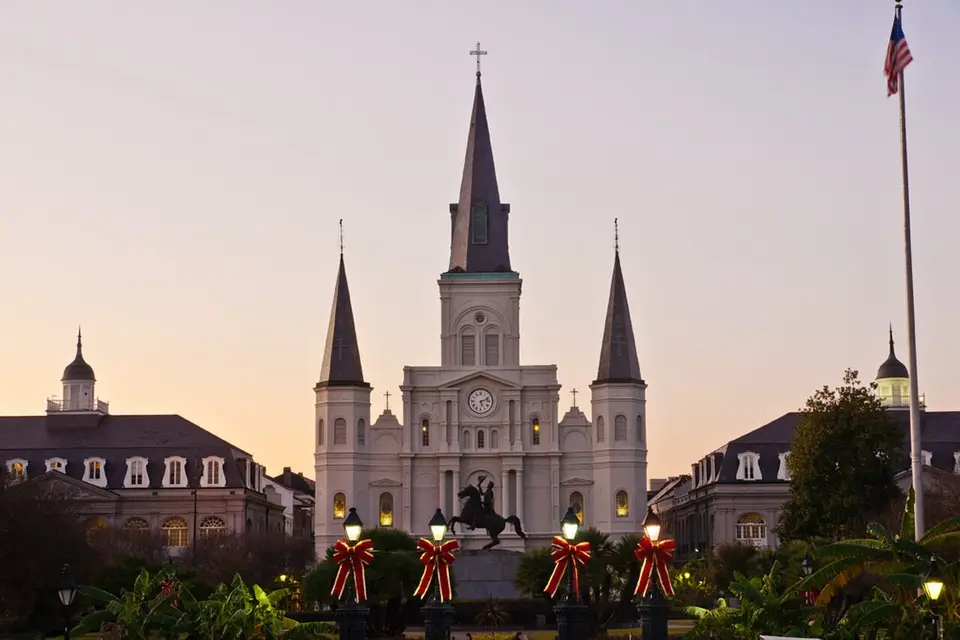
No American city sounds, tastes or looks like New Orleans. Its French and Spanish colonial past, African and Caribbean roots and Creole and Cajun kitchens have produced jazz, gumbo, second-line parades and a calendar packed with festivals. Three or four days is enough to fall for it; most visitors start planning the next trip before they leave.
Things to do in New Orleans
The French Quarter
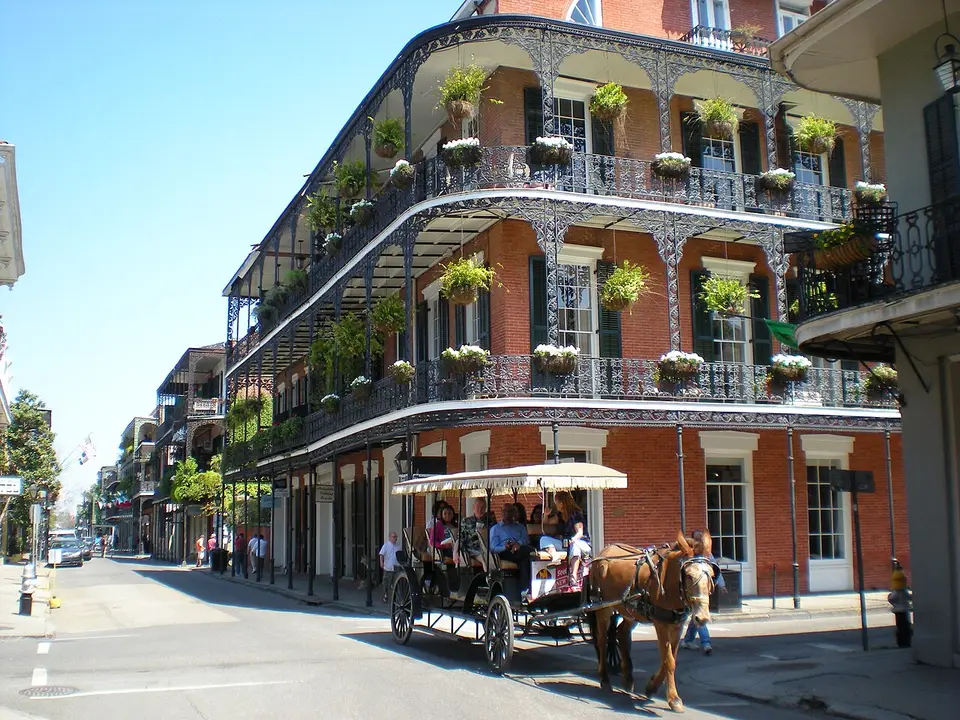
Thirteen blocks of wrought-iron balconies, courtyards and gas lamps. Start at Jackson Square and the St. Louis Cathedral, walk Royal Street for galleries and street musicians, and look up: the balconies are the architecture. The quarter is older Spanish than French — most of it was rebuilt after fires in 1788 and 1794.
Mornings are when the Quarter is most beautiful and quietest; Bourbon Street is best seen once, around 10 pm.
See tours and tickets partner linkLive music on Frenchmen Street
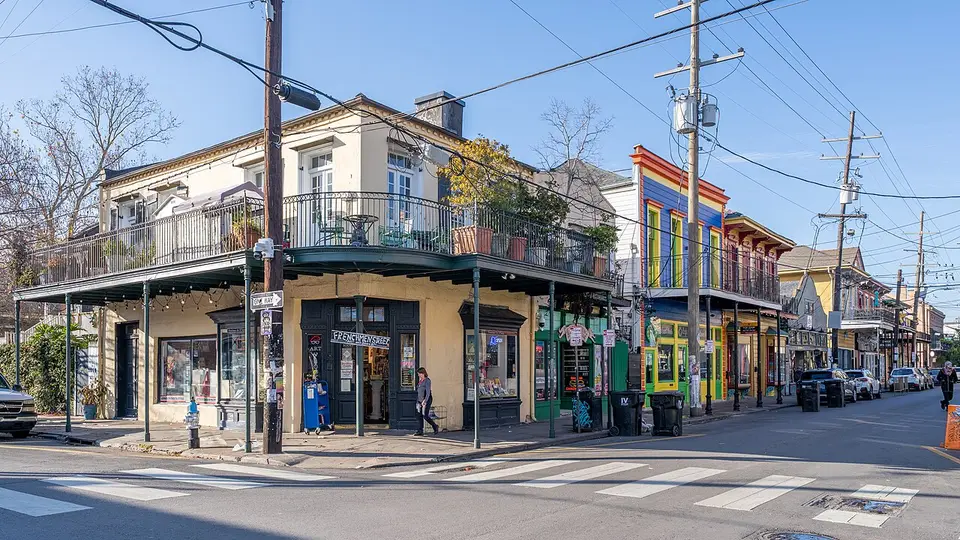
Two blocks in the Marigny, just downriver from the Quarter, with jazz, brass and blues clubs side by side: the Spotted Cat, d.b.a., the Blue Nile. Many have no cover charge — buy a drink per set and tip the band. The Frenchmen Art Market opens in the evenings.
3Preservation Hall
A tiny, bench-seated room on St. Peter Street where traditional New Orleans jazz has been played nightly since 1961. Sets last about 45 minutes; tickets sell out, so book online.
See tours and tickets partner linkSt. Charles streetcar & the Garden District
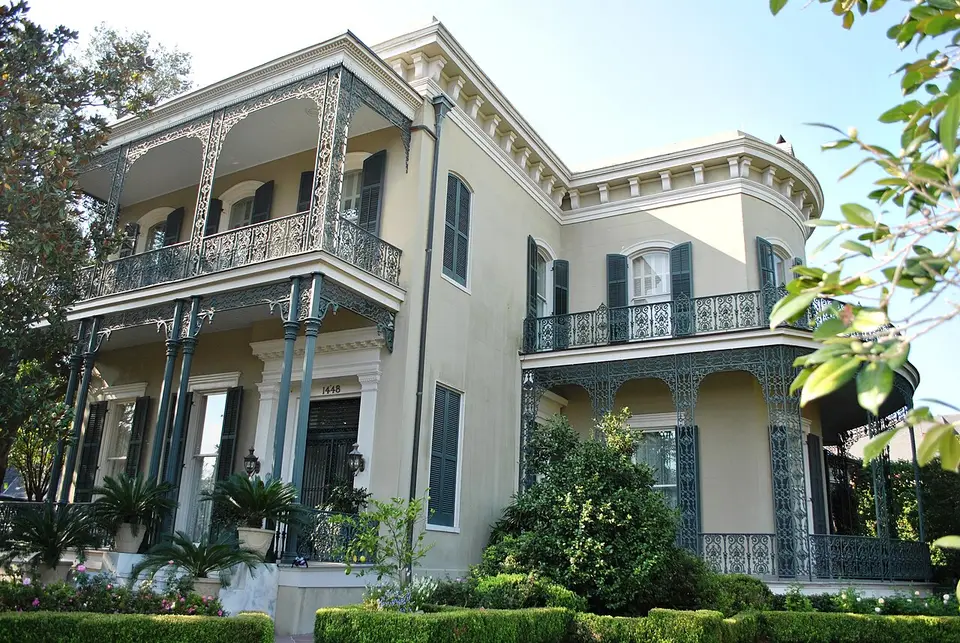
The oldest continuously operating streetcar line in the world rolls under live oaks past antebellum mansions. Get off at Washington Avenue for the Garden District’s houses and Lafayette Cemetery No. 1, then Magazine Street for shops and lunch.
A Jazzy Pass on the Le Pass app gives unlimited rides; a single fare is $1.25.
A swamp tour
Alligators, cypress trees draped in Spanish moss, herons and the odd wild hog, 30 to 60 minutes from the city. Flat boats are quieter and better for wildlife; airboats are faster and louder.
See tours and tickets partner link6The National WWII Museum
One of the best museums in the country, spread over several pavilions in the Warehouse District. Budget at least half a day.
See tours and tickets partner link7Café du Monde & the riverfront
Beignets buried under powdered sugar and a café au lait with chicory, open daily since 1862 at the French Market. Walk them off along the Moonwalk by the Mississippi.
8A cemetery tour
New Orleans buries its dead above ground. St. Louis Cemetery No. 1, where Marie Laveau rests, can only be visited with a licensed guide.
See tours and tickets partner link
Mardi Gras, Jazz Fest and the festival calendar
Plan around them — or for them. Hotel prices double during the big ones.
| Festival | When | Good to know |
|---|---|---|
| Mardi Gras | February or early March (47 days before Easter) | Parades run for about two weeks before Fat Tuesday. Book a year ahead. |
| French Quarter Fest | April | Free, local musicians on stages all over the Quarter. |
| Jazz & Heritage Festival | Last weekend of April, first of May | Big names and local legends at the Fair Grounds. |
| Essence Festival | Fourth of July weekend | Major R&B and soul concerts at the Superdome. |
| Halloween | 31 October | Costumes everywhere, especially in the Marigny. |
Every Sunday from September to May, social aid and pleasure clubs organize second lines — moving street parades with brass bands — in neighborhoods like Tremé. Anyone can join along the route; WWOZ radio publishes the schedule.
Is New Orleans safe?
The French Quarter, the Marigny, the Garden District and the Warehouse District are busy and well policed in the evening. As in any city with high crime figures, the risk is concentrated in areas visitors don’t go to, and in quiet streets late at night.
- Take a cab or ride-hail after midnight rather than walking empty blocks.
- Stick to the lively streets of the Quarter at night and keep your phone in a front pocket in crowds.
- Visit St. Louis Cemetery No. 1 and the Lower Ninth Ward with a guide.
Hurricane season runs from June to November, with the peak from mid-August to early October. Buy travel insurance that covers trip interruption if you travel then.
Where to stay in New Orleans
Everything you want to see is within walking distance of the French Quarter or a streetcar ride away. You do not need a car — and parking in the Quarter costs $40+ a night.
Our 2 hotel picks in New Orleans
Photos, facilities and tips →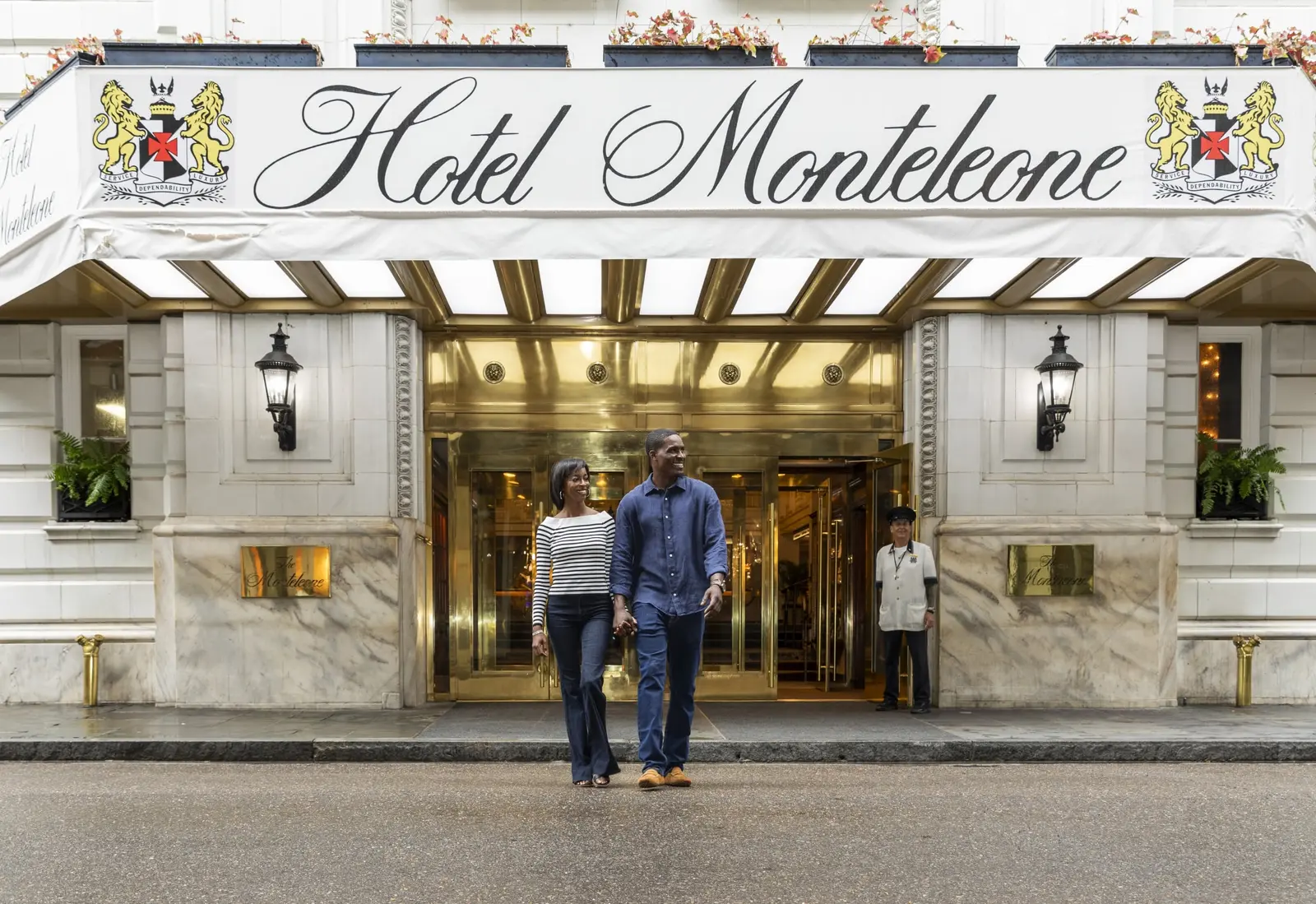 Luxury$$$$
Hotel Monteleone
French Quarter, on Royal Street
The family-owned grand hotel of Royal Street since 1886, with the revolving Carousel Bar and a rooftop pool.
 Boutique$$$$
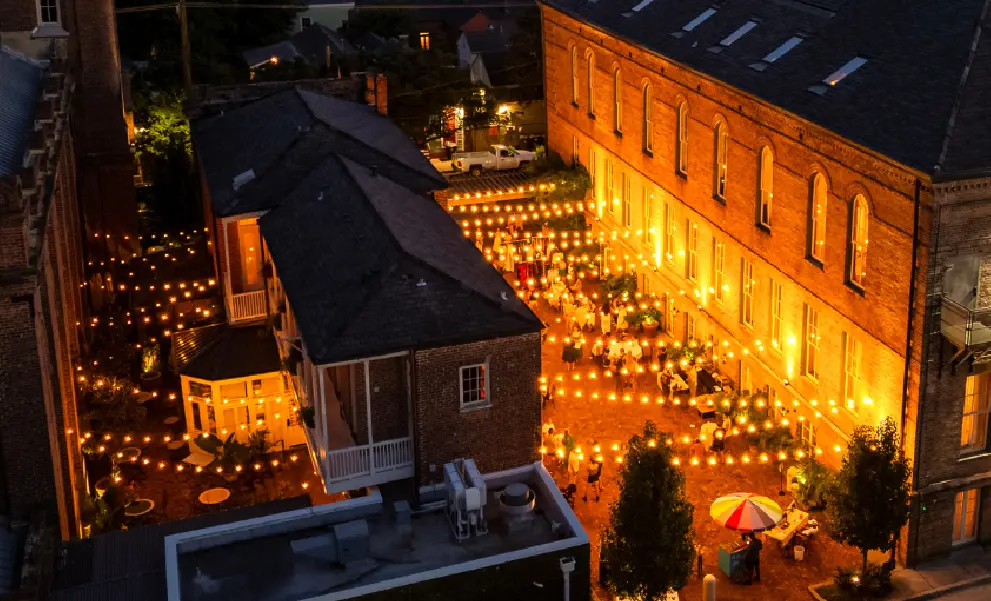
Hotel Peter & Paul
Faubourg Marigny, steps from Frenchmen Street
A 71-room hotel in a restored church and school in the Marigny, with a heated pool and Frenchmen Street steps away.
French Quarter
$$$$Best for: first-timers
Historic hotels with courtyards and balconies. Choose a room away from Bourbon Street if you want to sleep.
Hotels in French Quarter partner linkMarigny
$$$$Best for: music lovers
Creole cottages and guesthouses a few minutes from Frenchmen Street, more residential and colorful than the Quarter.
Hotels in Marigny partner linkWarehouse District / CBD
$$$$Best for: value, modern rooms
Converted warehouses, rooftop pools, the WWII Museum. A 10-minute walk to the Quarter.
Hotels in Warehouse District / CBD partner linkGarden District
$$$$Best for: a quiet stay
B&Bs in old mansions on the streetcar line, with Magazine Street’s restaurants nearby.
Hotels in Garden District partner linkWhere to eat
Come hungry. Creole cooking is the city’s; Cajun comes from the bayou country to the west. Both are everywhere.
Commander’s Palace
Garden District
The grande dame of Creole dining since 1893, in a turquoise Victorian. The weekday lunch with 25-cent martinis is a ritual. Jacket recommended.
$$$$
Dooky Chase’s
Tremé
Leah Chase’s legendary Creole restaurant, a meeting place of the civil rights movement. Fried chicken and gumbo.
$$
Café du Monde
French Quarter
Beignets and chicory coffee, cash or card, open daily.
$
Parkway Bakery & Tavern
Mid-City
The roast beef po’boy, “dressed”, dripping with gravy.
$
Napoleon House
French Quarter
A crumbling 200-year-old building, classical music, a Pimm’s Cup and a warm muffuletta — the round sandwich with olive salad. Half is plenty for two.
$$
Galatoire’s
Bourbon Street
Old-line French Creole since 1905; Friday lunch is a local institution.
$$$$
Weather in New Orleans by month
Best time to visit New Orleans, month by month →
Compare every destination month by month in the when-to-go explorer.
New Orleans: your questions
How many days do you need in New Orleans?
Three nights is ideal: the French Quarter, the Garden District, a swamp tour, a museum and three evenings of live music. Four if you are there for a festival.
When is the best time to visit New Orleans?
March to May and October to November: pleasant temperatures and the main festivals. Summer is hot and humid, and hurricane season peaks from mid-August to early October.
Do I need a car in New Orleans?
No. Walk the Quarter and the Marigny, and use the streetcars and ride-hail for the rest. Rent a car only to explore Cajun country or plantations.
Is Bourbon Street worth it?
See it once, at night, for the spectacle. For live music, Frenchmen Street is far better.
What food is New Orleans famous for?
Gumbo, jambalaya, po’boys, muffulettas, red beans and rice on Mondays, crawfish in spring, and beignets for breakfast.
Written by Kylian Dev · Last reviewed October 21, 2026. Prices are in US dollars, before sales tax.